Empowering Lives: A Comprehensive Guide to Cancer Care and Survivorship
Navigating the maze of tumor treatments can feel overwhelming for patients and their families. With a myriad of options available, how do you make sense of it all? The journey through oncology can be daunting, but it also opens doors to new possibilities for health and well-being. This blog post delves into essential therapies and clinical trials that serve as beacons of hope for individuals facing a malignancy. The reality is that with the right support and information, patients can take charge of their cancer care and survivorship. Let's embark on this enlightening journey together!
When we talk about treatments for tumors, it’s essential to recognize that no single approach fits all. Many factors influence treatment choices, from the nature of the malignancy itself to personal health history and lifestyle considerations. Therapies may include surgery, radiation, chemotherapy, immunotherapy, or targeted therapy. It's crucial for patients to engage in discussions about these options with their healthcare team. Remember, as Helen Keller famously said, "Alone we can do so little; together we can do so much." Collaboration is key in navigating your cancer care and making informed decisions!
In the pursuit of effective cancer treatments, clinical trials often emerge as crucial steps on the path to recovery. These studies can offer access to the latest therapies that are not yet widely available, paving the way for innovative solutions in oncology. But how do you know if a clinical trial is right for you? Asking the right questions is essential. What's the goal of the trial? What are the potential benefits and risks? Engaging in cancer education and understanding your role as a participant can enhance your experience in these trials. By being proactive, you are embracing your health awareness journey and advocating for your own well-being.
However, cancer care isn't solely about the physical treatments; mental health plays a pivotal role in the survivorship equation. Research shows that emotional well-being significantly impacts recovery and quality of life. Incorporating wellness strategies such as fitness, nutritional support, and palliative care into your regimen can create a holistic approach to treating cancer. Support groups, community support, and even health blogs can provide valuable insights and companionship on this challenging journey. So, how are you nurturing your mental health during this time?
Lastly, symptom management and preventive measures are vital components of comprehensive cancer care. Understanding risk factors and making lifestyle changes in areas like diet and exercise can contribute to better health outcomes. Patients can empower themselves with knowledge and actionable steps that support their journey. Remember, survivorship isn't just an end goal; it's a continuous process. By prioritizing your overall health and well-being, you're not only enhancing your experience but also paving the way for a brighter future beyond cancer. As the saying goes, "The greatest glory in living lies not in never falling, but in rising every time we fall." Be bold, be brave, and take control of your narrative!
Building Resilience: Strategies for Emotional Well-Being and Support in Cancer Survivorship
In the journey of cancer care and survivorship, building resilience is not just an important concept; it's a lifeline. Imagine waking up each day with the weight of a tumor diagnosis hanging over you. The struggle is real, but so is the strength that can emerge from within. In this post, we will explore strategies for emotional well-being, patient support, and how to cultivate a life that embraces wellness after a malignancy. After all, surviving cancer is not merely about survival itself; it’s about living well post-treatment.
Have you ever wondered how some people seem to bounce back after a diagnosis while others seem to struggle? The answer often lies in their emotional health and the support systems they have in place. During survivorship, it’s vital to recognize the importance of mental health; it plays a significant role in overall well-being. Seeking support through community resources, counseling, or health blogs can provide invaluable tools and insights for navigating feelings of anxiety or uncertainty. "Sometimes the bravest and most important thing you can do is just show up," said Brené Brown, and showing up for oneself is key in this journey.
One highly effective way to bolster emotional resilience is by tapping into holistic health approaches. These can include therapies such as mindfulness, yoga, or meditation. Integrating fitness into daily routines is another powerful strategy. When combined with nutritional support, these lifestyle changes can create a robust framework for symptom management and the overall improvement of mental health. Remember, it’s not just about fighting cancer; it's about nurturing your body and spirit throughout the process.
Preventive measures can significantly influence your survivorship experience. Informed individuals are empowered individuals, and cancer education plays a critical role in this regard. Engaging in discussions about risk factors for various malignancies and exploring clinical trials for new therapies can provide a sense of control in an otherwise chaotic journey. Plus, the more health information you gather, the better equipped you are to advocate for your own health and wellness strategies.
Never underestimate the power of community support. Connecting with others who understand your experiences can foster empathy and healing. Local cancer advocacy groups often hold workshops and support groups, creating spaces where individuals can share their story or simply listen. As the adage goes, "A burden shared is a burden halved," and sharing your journey can pave the way for renewed hope and emotional well-being. Building resilience is about embracing every aspect of recovery, mentally, physically, and emotionally.
From Prevention to Advocacy: Empowering Your Journey Through Comprehensive Cancer Care
Navigating the journey through cancer can often feel like walking a tightrope, teetering perilously between hope and despair. The stigma associated with the word ‘cancer’ can overshadow lives, yet the reality is that with informed oncology practices and patient support, individuals can transform their experiences into stories of strength and survivorship. This journey is not solely about battling malignancies, but about embracing a holistic health approach that empowers every facet of life—physically, mentally, and emotionally. Our comprehensive guide to cancer care emphasizes the importance of awareness and education as vital preventive measures against tumorous growths and the risk factors that lead to malignancy.
In many ways, your cancer care journey begins with understanding. Knowledge is power, especially in the realm of cancer education. Engaging with health information and tailoring lifestyle changes are pivotal for health awareness. For instance, knowing the critical role that dietary strategies and fitness play in your well-being can be enlightening. Did you know that incorporating nutritional support can bolster your immune system? Imagine making small adjustments like choosing a vibrant mix of fruits and vegetables that not only taste great but are packed with nutrient-rich properties for your body. What’s your go-to food for feeling great?
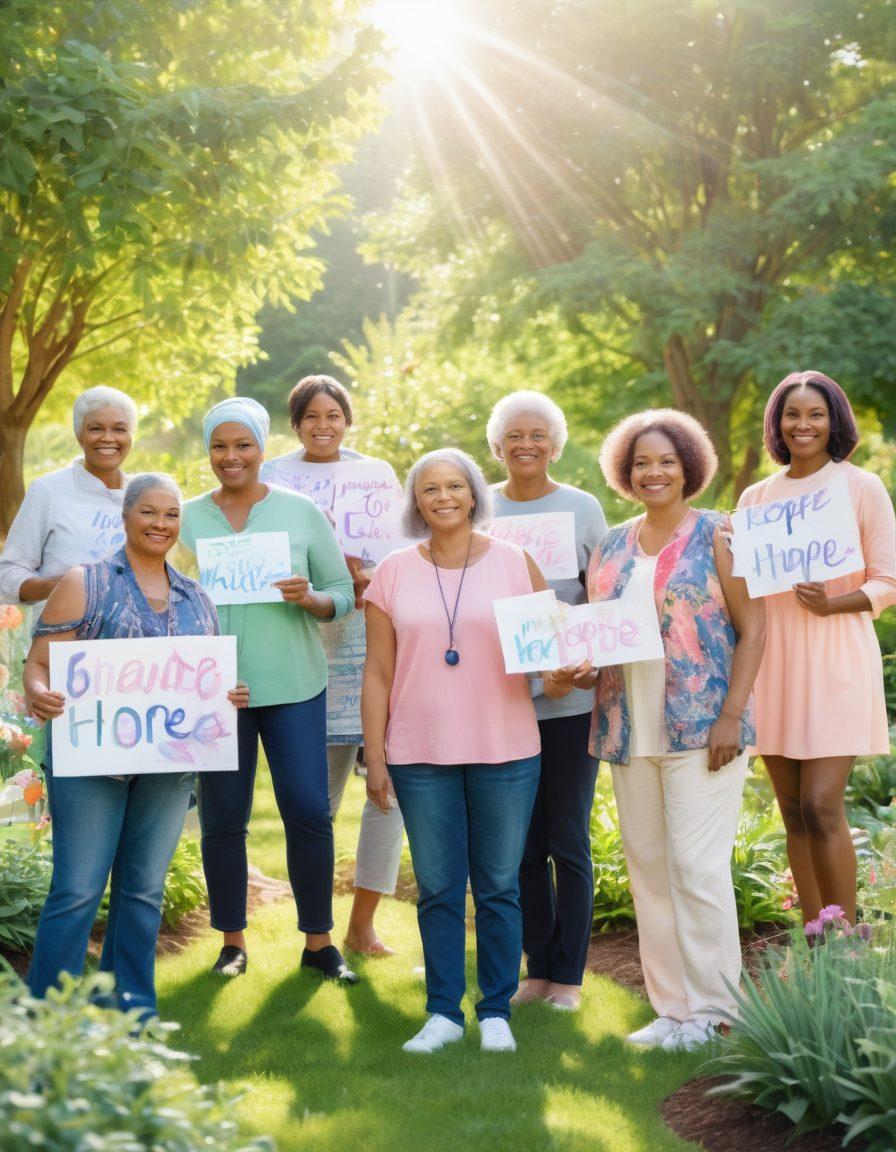
But knowledge alone isn’t enough; this journey thrives on connection. Community support can make a world of difference. Whether it’s a local support group or an online forum where individuals share their intimate stories about survivorship, the power of shared experiences cannot be underestimated. Picture this: a circle of survivors, each bearing a different set of scars, but united by their triumphs and trials. Their collective wisdom can serve as your guiding light. How can you find or inspire such connections in your own environment?
As you delve deeper into your cancer journey, therapies may become an aspect of your reality. From tailored clinical trials to palliative care options, understanding each possibility equips you with the tools to make informed decisions. Imagine being able to choose between various therapies based on research and personal preference! This autonomy plays a critical role in both mental health and emotional well-being during treatment. Each time you make a choice regarding your care, you reinforce your position as an active participant rather than a passive patient. How can you begin exploring these options today?
Lastly, advocacy plays a vital role in this journey. Become your own advocate by sharing insights from your experience and promoting wellness strategies that may help others in similar situations. By raising health awareness, we create a ripple effect of empowerment within our communities. The journey of survivorship is not just about one person's battle; it's about igniting sparks of hope in others facing their daunting journeys. What message of empowerment can you share today? Remember, every story shared is a stride taken toward a future where cancer care transforms lives and nourishes communities.